
Your Garage Door Shouldn't Sound Like That
You press the button, and instead of a smooth, quiet glide, your garage door groans, squeals, rattles, or pops its way up the track. If you're a homeowner in Dana Point, you've probably noticed it more on cool mornings or after a stretch of coastal humidity. A noisy garage door is easy to ignore at first, but those sounds are your door's way of telling you something isn't right.
The good news? Most garage door noises have identifiable causes, and many of them are fixable before they turn into expensive repairs or a full breakdown. Let's walk through the most common sounds, what they mean, and what you should do about each one.
Grinding or Scraping Sounds
A grinding or scraping noise when your garage door moves is one of the more concerning sounds you can hear. This typically points to one of two issues:
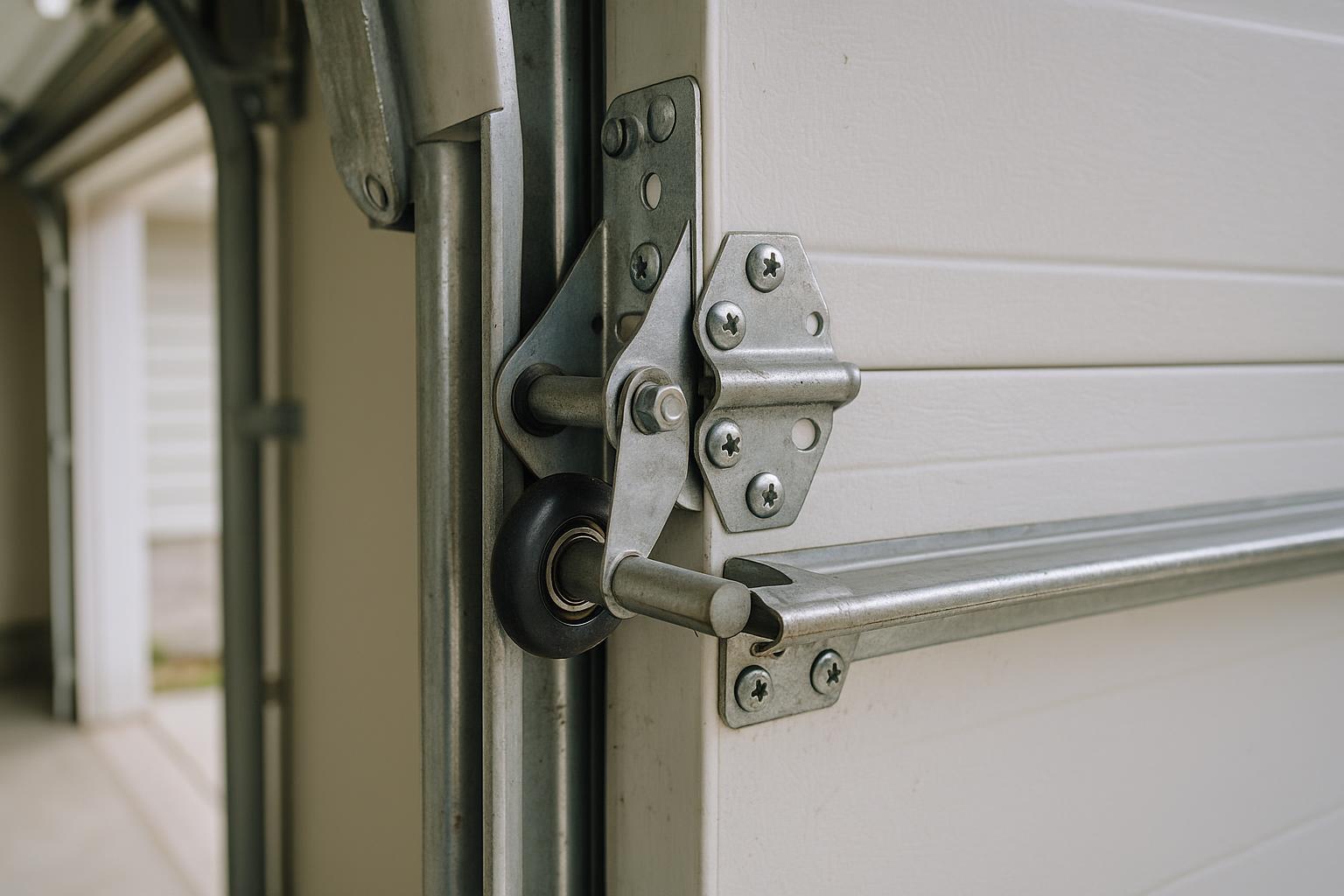
- Worn or damaged rollers: Over time, the rollers that guide your door along the tracks can wear down, crack, or lose their bearings. Metal rollers grinding against metal tracks create that harsh scraping sound. Nylon rollers are quieter and last longer, and upgrading to them is a popular fix for Dana Point homeowners looking to reduce noise.
- Misaligned tracks: If the vertical or horizontal tracks have shifted even slightly, the door panels can scrape against them as they move. This creates friction, wears down components faster, and can eventually cause the door to jam or come off the track entirely.
If you hear grinding, stop using the door and have the rollers and track alignment inspected. Continuing to operate a misaligned door can cause damage that's far more costly to repair.
Squealing or Squeaking
A high-pitched squeal every time your garage door opens or closes is usually a lubrication issue. The moving parts of your garage door system — including the rollers, hinges, springs, and bearing plates — need regular lubrication to operate smoothly.
Living near the coast in Dana Point means your garage door hardware is exposed to salt air, which accelerates corrosion and dries out lubricant faster than in inland areas. If you haven't lubricated your garage door components in the past six months, that's likely the culprit.
What to Use
Use a silicone-based or lithium-based garage door lubricant. Avoid WD-40 as your primary lubricant — while it's great for loosening stuck parts, it's not a long-term lubricant and can actually attract dust and grime over time. Apply lubricant to:
- Rollers and roller stems
- Hinges where they pivot
- Torsion spring coils
- Bearing plates and end bearings
- The lock mechanism
If lubrication doesn't solve the squealing, the parts may be too worn and need replacement.
Rattling or Vibrating
A rattling garage door often means something has come loose. Your garage door system has dozens of nuts, bolts, screws, and brackets, and the constant vibration of daily use can loosen them over time.
Check for loose hardware on:
- The track brackets that mount to the wall and ceiling
- The hinges connecting the door panels
- The chain or belt on the opener rail
- The opener unit itself, where it mounts to the ceiling
Tightening loose hardware is a straightforward fix, but be careful around the bottom brackets and anything connected to the spring system — those components are under extreme tension and should only be handled by a trained technician.
Popping or Snapping Sounds
A loud pop or snap when the door starts moving can indicate a problem with the torsion springs. Springs bear the full weight of your garage door, and as they wind and unwind thousands of times over their lifespan, they can develop weak spots. A popping sound may mean the spring is starting to fail.
This is not a DIY situation. Torsion springs store an enormous amount of energy, and a spring that breaks unexpectedly can cause serious injury or property damage. If you hear popping from the spring area above your door, call a professional right away.
Banging When the Door Closes
If your garage door slams down the last few inches instead of settling gently onto the floor, the issue is usually with the springs or the opener's force settings. Springs that are losing tension can't control the door's weight as effectively, causing it to drop. Alternatively, the close-force setting on your opener may need adjustment.
A door that bangs shut puts stress on the panels, tracks, and weatherstripping, and it's a safety concern — especially if you have children or pets who might be near the door.
Humming Without Movement
If you press the button and hear the opener motor hum but the door doesn't move, the motor is running but can't engage the door. Common causes include:
- A stripped gear inside the opener: The nylon drive gear that connects the motor to the drive mechanism can wear out, especially in older openers. You'll hear the motor running but nothing happens.
- A disconnected trolley: If the emergency release cord has been pulled, the trolley that connects the opener to the door is disengaged. Simply reconnect it.
- A broken spring: Without functioning springs to counterbalance the door's weight, the opener motor alone can't lift it. The motor will strain and hum, but the door stays put.
When Noise Means It's Time for Maintenance
Many of these issues are preventable with regular garage door maintenance. A professional tune-up typically includes lubricating all moving parts, tightening hardware, inspecting springs and cables, testing the balance and safety features, and checking track alignment. For homes along the South Orange County coast — from Dana Point to San Clemente and Laguna Beach — annual maintenance is especially important because of the toll that marine air takes on metal components.
Think of it like servicing your car. You wouldn't skip oil changes and expect the engine to run forever. Your garage door has moving parts under constant stress, and a little preventive care goes a long way toward avoiding breakdowns and extending the life of your system.
Don't Ignore the Warning Signs
A noisy garage door is rarely just a nuisance — it's almost always a symptom of a mechanical issue that will get worse over time. The sooner you identify and address the problem, the less it will cost to fix and the less likely you are to end up stuck with a door that won't open when you need it most.
If your garage door has started making sounds that weren't there before, Dana Point Garage Door can diagnose the issue and get your door running quietly and reliably again. Whether it's a simple lubrication, a roller replacement, or a full spring repair, we'll show up on time and take care of it right the first time. Give us a call — your mornings will be a lot more peaceful.